Source luxury petg cream jar for skincare, cosmetic, and beauty packaging
Compare 30 luxury petg cream jar options from verified Chinese manufacturers. Buyers can evaluate capacities ranging from 50ml to 250ml, closure types like screw lids and flip lids, and customization features such as silk printing and hot stamping for cream and cosmetic applications.
Key considerations
Products List




Comprehensive Sourcing Guide
Strategic Sourcing Guide for Luxury PETG Cream Jars
Understanding Material Properties and Design Variations
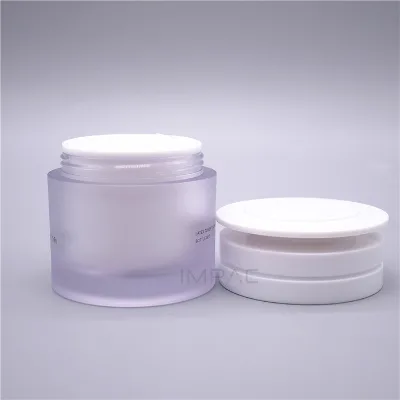
When sourcing luxury packaging for cosmetic creams, the selection of the base material is the foundational decision that dictates the product's perceived value, durability, and functional performance. In the context of high-end personal care, Polyethylene Terephthalate Glycol (PETG) has emerged as a preferred alternative to traditional glass or standard Polyethylene (PE) due to its unique balance of clarity, toughness, and printability. Unlike standard PET, PETG offers superior impact resistance and a more glass-like aesthetic without the fragility associated with glass containers. This material is particularly advantageous for luxury brands that require a premium look while mitigating the risk of breakage during shipping and handling.
The supply chain for these containers often presents a variety of structural configurations. Buyers must distinguish between single-wall and double-wall constructions, as these directly influence the insulation properties and the tactile experience of the jar. Single-wall designs, often observed in standard PET001 models, provide a sleek, minimalist profile suitable for lightweight formulations. Conversely, double-wall closures, such as those found in the SRSD series, offer enhanced structural integrity and a more substantial feel, which can be a critical differentiator in the luxury segment. The material itself is often marked with specific identifiers like "accept" for post-consumer recycled (PCR) content, indicating a growing alignment with sustainability mandates that luxury consumers increasingly demand.
Design flexibility is another paramount attribute of PETG. The material supports a wide array of decoration techniques, including injection molding, painting, and metalizing. These processes allow manufacturers to create finishes that mimic marble, metal, or matte textures, directly addressing the "Design: Marble" specifications seen in certain high-end product lines. The ability to apply silk printing, hot stamping, or custom labels further enhances the branding potential. Buyers should note that while the base material is plastic, the surface treatment can elevate the product to a luxury tier. However, the specific application of these decorations depends heavily on the supplier's equipment capabilities and the specific model number, such as PET007 or LY-JA-1, which may have distinct mold constraints.
Technical Specifications and Capacity Standards
Defining the precise technical specifications is essential for ensuring that the packaging aligns with the product formulation and the intended market positioning. The capacity of the jar is a primary specification that varies significantly across the available inventory. Observations from the current market data indicate a range of standard capacities, including 50 ml, 100 ml, 120 ml, 150 ml, 200 ml, and 250 ml. The 100 ml and 200 ml sizes appear to be the most common standard offerings, with specific model numbers like PET001 and PET007 corresponding to these volumes. However, buyers must verify that the selected model number matches the exact capacity required for their specific cream formulation, as the "prod_standard" field often lists a range of volumes for a single mold type.
Sealing mechanisms are equally critical in the technical evaluation of luxury jars. The choice between a screw lid, a flip lid, or a pump sprayer determines the user experience and the preservation of the cream. The data highlights several distinct sealing types: "Screw Cap" is common for standard jars, while "Flip Lid" offers a more convenient dispensing method for on-the-go usage. For premium creams, "Pump Sprayer" mechanisms are often preferred to control dosage and maintain hygiene. Additionally, the "Easy Open End" sealing type is noted in specific contexts, suggesting a tamper-evident feature that enhances consumer trust. The closure type, whether single or double wall, also interacts with the sealing mechanism to ensure the "100% No Leakage" advantage claimed in the supply data.
The physical dimensions and weight of the jar are influenced by the material thickness and the design complexity. While the standard weight is often listed as "100 G" for specific models, this may refer to the capacity or a specific weight class rather than the actual mass of the empty container. Buyers should request the exact weight specifications from the supplier to calculate shipping costs accurately. Furthermore, the "Disposable" attribute varies by model; some jars are designed for single-use applications, while others, like the PET002 series, are marked as "No" for disposable, indicating they are intended for refillable or long-term use. This distinction is vital for brands aiming to reduce waste or those targeting the luxury refill market.
Compliance, Certification, and Regulatory Alignment
Navigating the regulatory landscape is a non-negotiable aspect of sourcing luxury packaging, particularly for products that come into direct contact with skin. The primary certification observed in the supply data is ISO9001, which indicates that the manufacturer adheres to international quality management standards. This certification is a baseline requirement for any serious supplier, ensuring that their production processes are consistent and controlled. However, for cosmetic packaging, ISO9001 alone is often insufficient. Buyers must verify if the supplier holds specific certifications related to food contact safety, such as FDA compliance or EU Regulation 10/2011, which are critical for ensuring the plastic does not leach harmful substances into the cream formulation.
The environmental compliance aspect is increasingly important in the luxury sector. The mention of "accept" for PCR (Post-Consumer Recycled) content suggests that some suppliers are capable of integrating recycled materials into their PETG production. Buyers should explicitly request documentation regarding the percentage of PCR content and the source of these materials to ensure they meet their corporate sustainability goals. Additionally, the "SGS" standard mentioned in the data likely refers to third-party testing or quality assurance protocols. While the presence of SGS as a standard is noted, buyers must confirm the specific scope of these tests, such as heavy metal analysis, migration testing, or microbiological safety, to ensure the packaging meets the rigorous safety standards of the cosmetics industry.
Lead times and production schedules also play a role in compliance, particularly for custom orders. The data indicates a lead time of 35 days for customized products. This timeline must be factored into the supply chain planning to ensure that the packaging arrives before the product launch. Delays in certification or testing can extend this timeline, so buyers should inquire about the supplier's track record for meeting these deadlines. Furthermore, the origin of the product, primarily listed as Zhejiang or Yuyao in China, implies that the supply chain is subject to specific export regulations and trade policies. Buyers should ensure that the supplier can provide all necessary export documentation and that the products comply with the import regulations of the destination market.
Cost Drivers and Pricing Dynamics
The pricing of luxury PETG cream jars is influenced by a complex interplay of factors, including material costs, decoration complexity, order volume, and customization requirements. The observed price range in the market spans from $0.01 to $3.80 per unit, a wide spectrum that reflects the diversity of product offerings. The lower end of this range typically corresponds to standard, unadorned jars with simple screw caps and minimal customization. In contrast, the higher end of the price range is driven by jars featuring advanced decoration techniques such as metalizing, complex painting, or the integration of pump sprayers and double-wall closures.
Order volume is a significant determinant of unit cost. The Minimum Order Quantity (MOQ) varies widely, ranging from 10 units to 20,000 units. This flexibility allows buyers to test the market with small batches or secure cost-effective pricing for large-scale production runs. The "MOQ: 10,000pcs" noted in the data suggests that for highly customized or premium models, suppliers may require substantial order volumes to justify the setup costs for molds and decoration processes. Buyers should negotiate based on their projected sales volume, as higher volumes often unlock tiered pricing structures that significantly reduce the per-unit cost.
Customization is another major cost driver. While the "Customization: Available" and "OEM/ODM: Highly Welcomed" attributes indicate a high degree of flexibility, the extent of this customization directly impacts the price. Features such as silk printing, hot stamping, and custom logos add to the production cost. Additionally, the choice of closure type, such as a pump sprayer versus a standard screw cap, can alter the final price. Buyers must balance the desire for luxury aesthetics with the budget constraints of the project. It is advisable to request a detailed breakdown of costs, separating the base container price from the decoration and closure costs, to identify areas where savings can be achieved without compromising the luxury appeal.
Supplier Evaluation and Quality Assurance
Evaluating potential suppliers requires a rigorous assessment of their capabilities, infrastructure, and quality control systems. The supply data indicates that products originate from specific regions in China, such as Zhejiang and Yuyao, which are known hubs for plastic packaging manufacturing. Buyers should verify the supplier's production capacity and their ability to handle large orders, especially given the wide range of MOQs observed. The presence of "Five Layer Corrugated Brown Carton" and "Seperately Safety Packaging+Standard Carton" as packing standards suggests that the suppliers have established protocols for protecting the jars during transit, which is crucial for maintaining the pristine condition of luxury packaging.
Quality control is paramount in the luxury sector, where any defect can damage the brand's reputation. The "100% No Leakage" advantage and "Good quality" attributes are claims that must be validated through rigorous testing. Buyers should request sample batches to test for leakage, structural integrity, and the quality of the decoration. The "Sample: Free in stock" attribute is a positive indicator, allowing buyers to evaluate the product before committing to a large order. However, buyers must also verify the supplier's internal quality control processes, including in-line inspections and final random sampling protocols.
The supplier's ability to handle customization is another critical factor. The "Customizable: Customized" and "OEM/ODM: Highly Welcomed" attributes suggest that the suppliers are experienced in working with clients to develop unique packaging solutions. Buyers should assess the supplier's design team and their ability to translate concepts into physical products. The lead time of 35 days for customized orders indicates a standard production cycle, but buyers should confirm if this timeline can be expedited for urgent needs. Additionally, the supplier's responsiveness to inquiries and their willingness to provide technical support can be indicative of their overall service quality.
Long-Term Procurement and Sustainability Considerations
Sourcing luxury PETG cream jars is not merely a transactional activity but a strategic decision that impacts the brand's long-term viability and sustainability goals. The availability of PCR content in the supply chain offers an opportunity for brands to reduce their environmental footprint. Buyers should prioritize suppliers who can provide transparent data on the sourcing and processing of recycled materials. This transparency is essential for marketing claims and for meeting the increasing regulatory requirements regarding sustainable packaging.
The durability and reusability of the jars also play a role in long-term procurement. The distinction between disposable and non-disposable models, such as the PET002 series, allows brands to choose packaging that aligns with their sustainability strategy. For brands aiming to promote a circular economy, selecting non-disposable jars with refillable designs can enhance brand loyalty and reduce waste. Buyers should also consider the end-of-life disposal options for the packaging, ensuring that the materials are recyclable in the target markets.
Finally, the relationship with the supplier should be viewed as a long-term partnership. The ability to scale production, maintain consistent quality, and adapt to changing market trends is crucial. Buyers should establish clear communication channels and regular review meetings to ensure that the supplier continues to meet the brand's evolving needs. By focusing on these long-term considerations, brands can secure a reliable supply of luxury PETG cream jars that not only meet current demands but also support future growth and sustainability objectives.
Comparison of Key Product Attributes
To facilitate a clearer understanding of the available options, the following table summarizes the key attributes of the observed product models. This comparison highlights the variations in capacity, closure type, and design features that buyers should consider when selecting the most suitable packaging for their specific needs.
| Product Model | Capacity | Lid/Closure Type | Wall Construction | Decoration Options | Customization Status |
|---|---|---|---|---|---|
| PET001 | 100 ml | Screw Lid | Single Wall | Silk printing, hot stamping | Available |
| PET007 | 200 ml | Flip Lid | Single Wall | Injection, painting | Available |
| PETG003 | 50-250 ml | Screw Cap | Single Wall | Metalized, painting | Available |
| SRSD | 50 ml | Screw Cap | Double Wall | Standard | Available |
| PET002 | 100 G | Pump Sprayer | Single Wall | Marble design | Available |
| LY-JA-1 | Variable | Pump Sprayer | Single Wall | Standard | Available |
This table serves as a reference point for buyers to quickly identify the models that align with their technical and aesthetic requirements. By carefully evaluating these attributes, buyers can make informed decisions that balance cost, quality, and brand identity.
FAQs
What certifications do luxury PETG cream jar manufacturers hold?
Manufacturers typically hold ISO9001 certification to ensure quality management standards. Some suppliers also reference SGS standards for third-party testing. Buyers should verify specific scope details for food contact safety.
How long is the lead time for customized luxury PETG jars?
The standard lead time for customized orders is 35 days. This duration accounts for mold setup and decoration processes like silk printing or hot stamping. Expedited options may vary by supplier capacity.
Which capacities are available for luxury PETG cream jars?
Available capacities include 50 ml, 100 ml, 120 ml, 150 ml, 200 ml, and 250 ml. Specific models like PET001 and PET007 correspond to 100 ml and 200 ml respectively. Verify exact volume per model before ordering.
Can luxury PETG jars be customized with specific designs?
Yes, customization is available with options like marble designs, painting, and metalizing. Suppliers accept OEM and ODM requests for unique branding. Decoration methods include silk printing and hot stamping for logos.
What sealing types are used for luxury PETG cream jars?
Sealing types include screw caps, flip lids, and pump sprayers. Some models feature double-wall closures for enhanced integrity. Easy open ends are also available for tamper-evident requirements.
Where are luxury PETG cream jar manufacturers located?
Manufacturers are primarily located in Zhejiang and Yuyao, China. These regions are known hubs for plastic packaging production. Buyers should confirm specific factory locations for logistics planning.
What is the minimum order quantity for luxury PETG jars?
Minimum order quantities range from 10 to 20,000 pieces depending on the model. Standard customized orders often require 10,000 pieces. Smaller batches may be available for stock items.
Are luxury PETG cream jars recyclable with PCR content?
Some suppliers accept post-consumer recycled (PCR) content for production. This aligns with sustainability mandates for luxury brands. Buyers must request specific documentation regarding the percentage of recycled material used.